
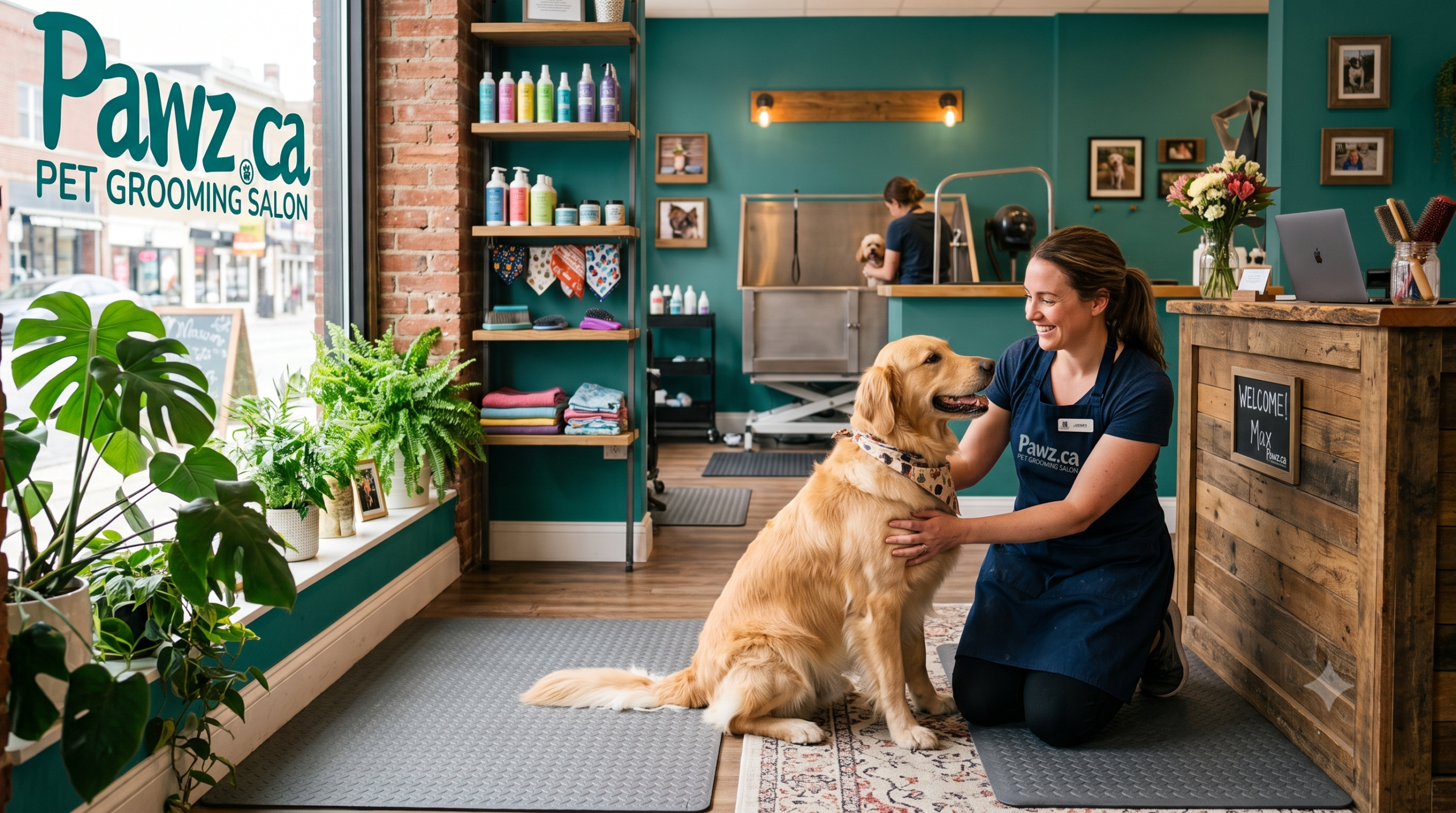
Heading to the salon for a bath and haircut is a regular part of life for many pets, but it isn’t always a smooth experience. If your furry family member gets anxious when the leash comes out, or if you are gearing up for a first salon visit, knowing how to prepare your dog for grooming can make all the difference.
Proper preparation transforms what could be a chaotic chore into a calm, predictable routine. By taking a few practical steps before heading out the door, you help your pet feel secure, ensure their safety, and make the groomer’s job much easier. Here is everything you need to know to get your pet ready for a successful appointment.
Why Preparing Your Pet for Grooming Matters
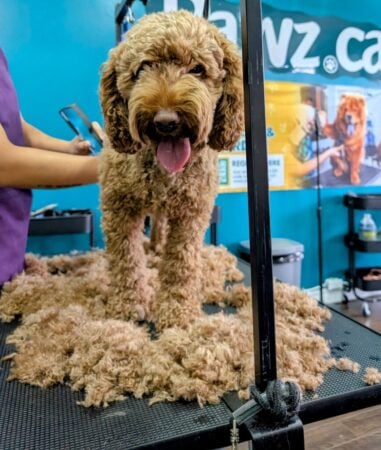
A grooming salon is filled with unique sights, smells, and sounds—from whirring clippers and high-velocity dryers to new people and other animals. Without proper preparation, even a normally easygoing pet can feel overwhelmed.
Taking time for preparing dog for grooming appointment sessions helps in several key ways:
- Reduces Stress and Anxiety: A pet that knows what to expect is far less likely to panic.
- Improves Safety: Calm pets stay still, which significantly minimizes the risk of accidental nicks or slips during trimming.
- Delivers Better Results: When a dog or cat stands comfortably, the groomer can focus on providing a thorough, high-quality cut and deep clean.
- Builds Long-Term Trust: Positive early experiences lay the foundation for a lifetime of easy, stress-free dog grooming visits.
Essential Health & Administrative Prep Before the Visit
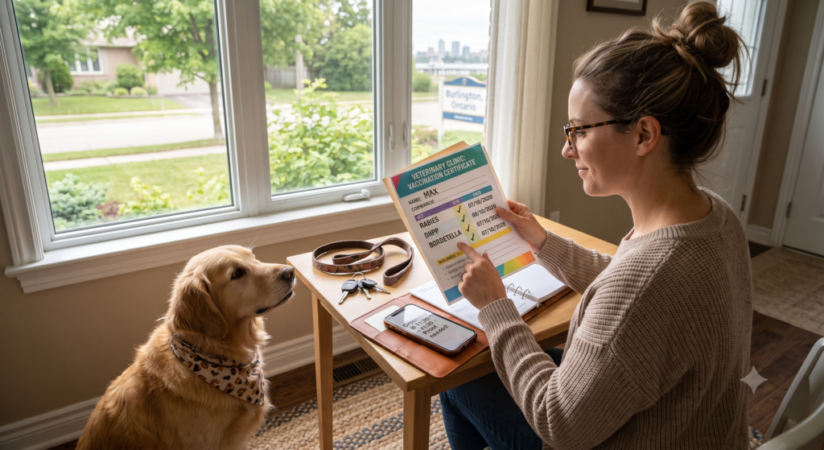
Before focusing on behavior, start with the logistics. A smooth salon visit relies heavily on clear communication and meeting basic safety standards.
- Organize Vaccination Records
Most reputable facilities require up-to-date vaccination records for grooming to protect all animals in their care. Make sure your pet’s rabies, distemper, and bordetella vaccinations are current, and keep digital or paper copies handy. Meeting these pet grooming requirements ahead of time prevents last-minute turn-aways at the front desk.
- Disclose Health and Physical Conditions
Always inform your groomer about existing medical conditions, skin allergies, joint issues, or recent surgeries. If your senior dog has arthritis, for example, the groomer can make accommodations—such as using extra padding or giving them rest breaks—to ensure their comfort throughout the process.
At-Home Desensitization: Getting Your Pet Ready for Handling
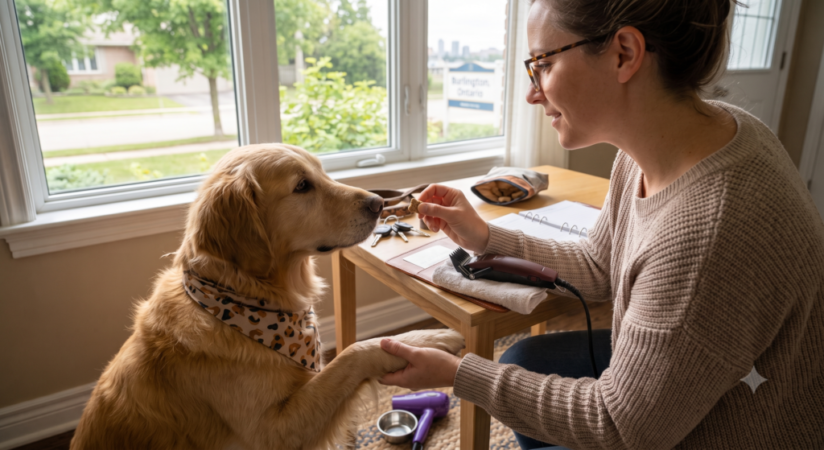
One of the best dog grooming preparation tips is practicing gentle handling at home long before the appointment. Pets are rarely handled by strangers in the specific ways a groomer needs to work, so desensitizing them early builds massive confidence.
- Paw and Ear Handling: Spend a few minutes each day gently touching your pet’s paws, separating their toes, and looking inside their ears. Reward them with a treat immediately after.
- Introduce Tools and Sounds: Turn on an electric toothbrush or a hair dryer on low nearby so your pet gets used to hums and vibrations.
- Maintain Routine Brushing: Regular brushing before grooming prevents painful mats from forming and teaches your pet that coat care is a pleasant, daily bonding routine.
Pro-Tip: Never force a desensitization session. Keep training short—around 2 to 3 minutes—and always end on a positive, reward-filled note!
Grooming Day Checklist: What to Do Before Leaving Home
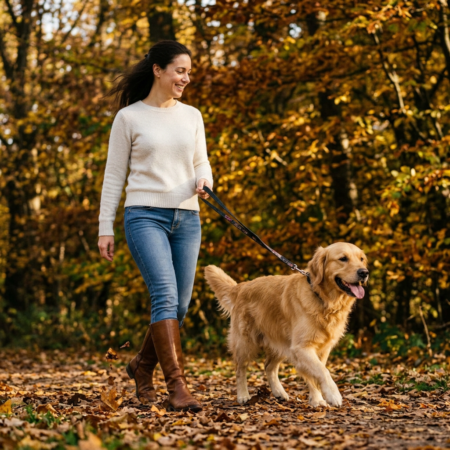
When appointment day arrives, following a quick grooming appointment checklist will set your pet up for success.
Morning Exercise
Plan a moderate walk or play session prior to your appointment. Exercise before grooming burns off excess energy, leaving your dog more relaxed and ready to rest on the grooming table.
Mind the Meals
Timing is everything when it comes to feeding before dog grooming. Offer a light meal a few hours prior, but avoid giving a large breakfast right before leaving. A full stomach combined with car rides or mild excitement can easily lead to an upset tummy.
Essential Potty Break
Always give your pet a chance to relieve themselves right outside the salon before walking inside. A full bladder increases restlessness and makes standing for long periods uncomfortable.
Handling Anxious or Nervous Pets
If you are dealing with a nervous dog grooming situation, a little extra empathy goes a long way. Dogs pick up on human energy; if you are worried or tense, your pet will sense that something is wrong.
- Stay Calm and Confident: Maintain a relaxed, reassuring tone.
- Try Comfort Aids: For an anxious dog at groomer visits, soothing lavender sprays, anxiety wraps, or calming supplements (recommended by your vet) can work wonders.
- Schedule “Happy Visits”: If your dog is particularly fearful, ask your salon if you can stop by briefly just to give treats and leave. This helps reframe the salon as a fun, non-threatening place.
Drop-Off Etiquette for a Smooth Transition
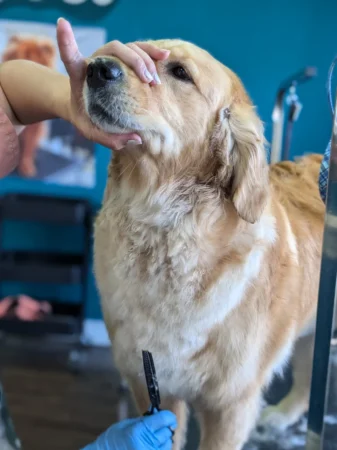
How you say goodbye sets the tone for the entire grooming session. While it is natural to want to comfort a nervous pet, long, emotional goodbyes can actually heighten their distress.
Keep your drop-off swift, cheerful, and matter-of-fact. Hand the leash to the team with a confident smile, give your pet a quick pat, and head out. When you show trust in the salon staff, your pet realizes they are in safe hands.
Partnering with Your Groomer for Long-Term Comfort
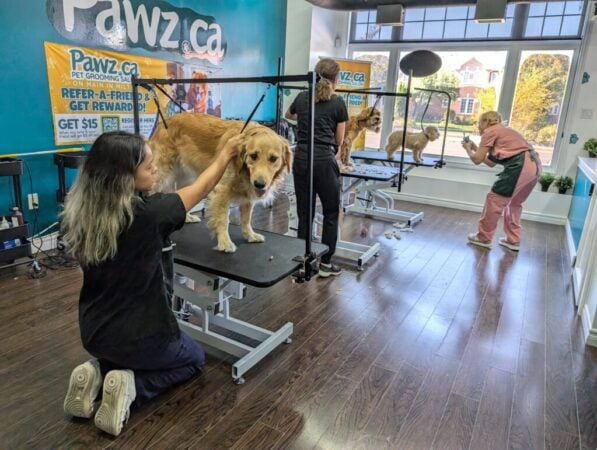
Grooming is a partnership between pet parents and professional caretakers. Clear communication about your pet’s personality, likes, and dislikes helps build a personalized experience tailored to their needs.
Whether you need compassionate care or expert dog grooming services in Milton or dog grooming in Kitchener, finding professionals who prioritize patience and gentle handling makes all the difference. Over time, consistent visits with a trusted team turn groom day into a familiar, enjoyable outing.
Frequently Asked Questions
-
It is best to avoid heavy meals immediately before an appointment. Feed a light meal 2–3 hours ahead of time to prevent motion sickness or an upset stomach during handling.